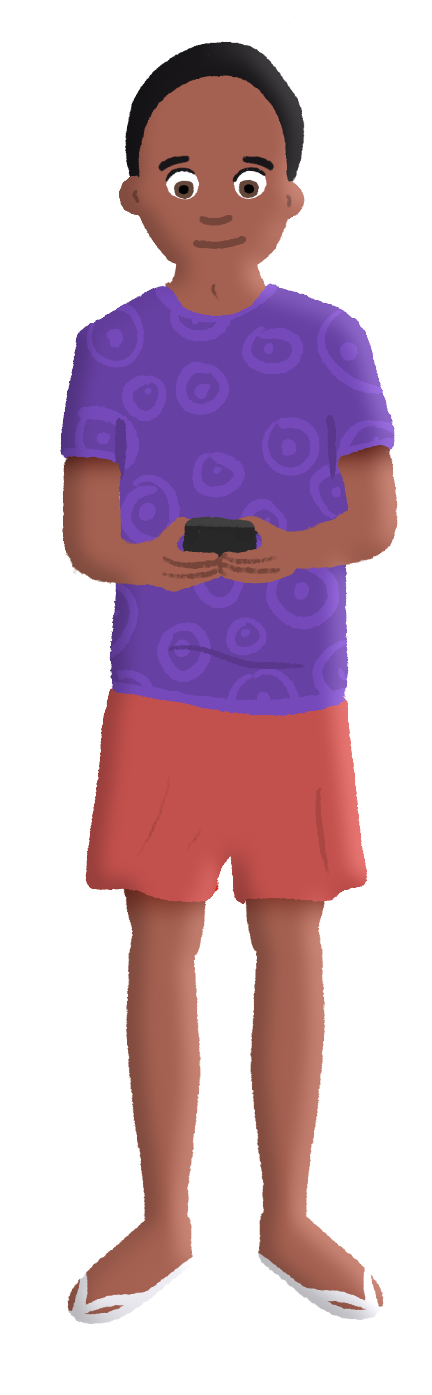
Transactional Relationships
Many teens in Ghana told us that dating is sometimes about survival — not romance. When money is tight, relationships can feel like a way to access things they need, such as phone credit, data, food, clothes, or school support.
This happens both online and offline. Some girls described older men sending money or gifts online and slowly building trust or emotional closeness — a process often linked to grooming. Others talked about men in their community giving phones, data, or other support in exchange for sex or sexual images.
This page isn’t here to judge. It’s here to explain the hidden risks people don’t always talk about — including grooming and exploitation — so you can make informed choices and protect yourself.

Did you know?
When one person controls money, gifts, or resources, they also hold power in the relationship.
That imbalance can turn a relationship into something unsafe — even if it didn’t start that way.
How transactional relationships become risky
At first, transactional relationships can feel helpful or exciting:
Someone helps you with money or gifts
You feel supported or chosen
Things seem easier for a while
But over time, the balance often shifts.
What can happen is:
The other person controls money, gifts, or access
You feel pressure to keep them happy to avoid losing support
Saying “no” becomes harder
Leaving the relationship feels risky or impossible
The person with resources makes the decisions. The person who depends on them loses control.
That is not safety — and it is not love, and this is often done on purpose by the person you are talking to, which is called grooming.
When images or videos are shared, the risk increases
Some girls said they were asked to send sexual images or videos as part of these relationships.
This can have dangerous consequences.
When this happens:
The other person gains even more power
Images can be used to threaten, blackmail, or control you.
You may be told you’ll be exposed if you don’t comply
Leaving the relationship can feel frightening or unsafe
Once someone has control over images, they can control your choices. You can learn more about sexual extortion here.
Short-term financial help can lead to long-term harm
Transactional relationships can lead to:
Sexual exploitation
Emotional harm and fear
Being trapped in a relationship you want to leave
Loss of safety, dignity, and freedom
In some places, similar patterns have become very dangerous, with girls being threatened or harmed when they tried to leave relationships where men felt they “owned” them because of money or gifts they had given.
What starts as support can turn into control.
Key takeaway
When one person controls resources, they control the relationship.
That is not care, respect, or protection — and it carries serious risks.
Learn what a healthy relationship looks like, here!
Learn more about grooming
Transactional relationships are closely linked to grooming, especially online.
Grooming is when someone builds trust with a child or teen in order to exploit or harm them.
How grooming often starts
A groomer may:
Send gifts, money, data, or airtime
Act kind, caring, or protective
Offer advice or support like a “mentor”
Pretend to share the same interests
Use fake profiles or photos
Ask to move chats to private messages
Ask you to keep secrets
Sometimes groomers pretend to be the same age. Other times, they use their age, status, or money to gain influence.
How grooming becomes harmful
Over time, a groomer may:
Ask for personal information
Ask for naked photos or videos
Suggest meeting offline
Pressure or manipulate you
Use guilt, threats, or blackmail
Try to isolate you from friends or family
Grooming can lead to:
Sexual abuse (online or offline)
Sexual exploitation and image abuse
Financial exploitation
Fear, shame, and loss of control
Any child or teen can be targeted — regardless of age, gender, or background.
🚩Red flags to watch for
It’s important to report, block, and tell a trusted adult if someone:
Pushes for secrecy
Sends gifts or money early on
Asks for personal details or images
Wants to meet offline
Tries to control who you talk to
Makes you feel pressured, scared, or confused
Even if they seem nice, supportive, or have helped you — these are warning signs.

What you should remember
Someone who truly cares about you will not:
Buy your trust
Pressure you
Ask for sexual images
Make you feel trapped or afraid
You deserve relationships that are safe, respectful, and give you real choices. Learn what a healthy relationship looks like here!